

Marburg disease in Uganda
The World Health Organization has reported a confirmed case of Marburg disease in Uganda

On 2 July 2026, the World Health Organization (WHO) reported a confirmed case of Marburg Disease (MARD) in Kyegegwa district, Western Uganda [1].
This case was identified through enhanced surveillance for Ebola. Contacts are being monitored but as of 2 July, none have shown symptoms. The WHO is supporting local health authorities to determine the source of exposure, assess the risk to public health and support community engagement [1].
MARD can be a severe, often fatal haemorrhagic fever, which is very similar to Ebola disease [2, 3].
The reservoir host of Marburg virus, the fruit bat, is found widely across Africa [2]. This virus can spread to people from fruit bats and once introduced into the human population can spread through human-to-human transmission [3]. Egyptian fruit bats have historically been reported in Western Uganda in mining and cave environments [4]. The last outbreak of MARD in Uganda occurred in Kween district in 2017 [4].
In the past MARD outbreaks and sporadic cases have occurred in Angola, the Democratic Republic of Congo, Equatorial Guinea, Ethiopia, Ghana, Guinea, Kenya, Rwanda, South Africa (linked to travel from Zimbabwe), Tanzania and Uganda [4].
While MARD is rare and very unusual in travellers, occasional cases have been reported in travellers who spent long periods in mines or caves inhabited by bat colonies [3].
Advice for travellers
Before you travel
Check and follow the advice from the Foreign, Commonwealth & Development Office on safety, security, and any travel restrictions at your destinations.
Check our Country Information pages to research general health risks, prevention advice and any vaccine recommendations or malaria advice for your destination and make sure you obtain appropriate travel health insurance.
There is currently no licensed vaccine to protect against MARD, but several candidate vaccines are being investigated [2, 3].
While you are away
Remain aware of up-to-date, reliable information on specific areas affected, as these may change over time.
You can become infected with MARD if you have contact (such as through broken skin or mucous membranes in the eyes, nose, or mouth) with the blood, secretions, organs or other bodily fluids of infected people and with surfaces or materials (e.g. bedding, clothes) contaminated with these fluids [2, 3].
If you plan to travel to the affected area in Uganda, follow these precautions to reduce your risk of infection:
- Wash your hands regularly and carefully using soap and water (or alcohol gel if soap is unavailable)
- Avoid contact with people with any symptoms of MARD, their bodily fluids, corpses and/or bodily fluids from deceased people
- Avoid participating in funeral or burial rituals
- Avoid visiting traditional healers
- Avoid handling, cooking or eating bush/wild meat (meat from wild/feral animals)
- Wash and peel all fruit and vegetables before eating
- Practise safer sex as there is a risk of sexual transmission from a person who has recovered from Marburg
Avoid visiting mines or bat caves and all contact with all wild animals; alive or dead, particularly bats. If you decide to visit mines or caves inhabited by fruit bat colonies, wear gloves and other appropriate protective clothing, including masks.
For non-urgent medical care or if you become unwell whilst you are away, speak to your insurance company or local healthcare provider for advice on the most suitable place to access healthcare.
When you return
Get medical advice if you become ill within 21 days of returning home. Call NHS 111 or contact your GP by phone. Although it is very unlikely you have MARD, you should mention your dates and itinerary of travel and any potential exposure to the virus.
Other infectious diseases like malaria are present in Uganda. You should be aware of the signs and symptoms of malaria and should seek immediate medical attention if these occur either while you are in Uganda or up to a year after you return to the UK.
Advice for those working in affected areas
If you are living in or planning to visit areas for work related reasons that might bring you into contact with the virus that causes MARD (e.g. humanitarian, healthcare), you should follow advice from your deploying organisation. Some staff may already be deployed in the region to assist with the recent Ebola outbreak.
Organisations deploying staff in response to this incident must register with the UKHSA returning workers scheme (RWS) [5] and work according to WHO infection prevention and control guideline for Ebola and Marburg diseases [6].
If you are working with individuals suspected to be infected with MARD, you must follow infection prevention and control guidance on viral haemorrhagic fevers. Strict barrier techniques should be implemented and all staff provided with and trained in the use of protective equipment [6].
Advice for health professionals
Health professionals should remain alert for travellers returning from possible MARD affected areas who develop symptoms compatible with MARD. See UKHSA's MARD information page. The imported fever service provides expert clinical advice for health professionals caring for travellers returning to the UK with a fever.
Health professionals should practise strict universal precautions when caring for patients when MARD is suspected in accordance with the National Infection Prevention and Control guidance.
Guidance and information about high consequence infectious disease and their management in England and further information and guidance about Marburg virus disease is available from UK Health Security Agency. Rapid transfer to a designated High Consequence Infectious Disease Treatment Centre will be arranged for confirmed cases in the UK [5].
UKHSA has specialised laboratory facilities to provide a definitive MARD diagnosis at the Rare and imported pathogens laboratory (RIPL).
Resources
- Advisory Committee on Dangerous Pathogens: Viral haemorrhagic fever: ACDP algorithm and guidance on management of patients
- UK Health Security Agency: Ebola and Marburg haemorrhagic fevers: outbreaks and case locations
- World Health Organization Infection prevention and control guideline for Ebola and Marburg diseases
- UK Health Security Agency: Global high consequence infectious disease events
- World Health Organization: Marburg virus disease
- Viral haemorrhagic fevers
References
-
World Health Organization. Director-General's opening remarks at media briefing, 2 July 2026. [Accessed 9 July 2026]
-
UK Health Security Agency. Marburg virus disease: origins, reservoirs, transmission and guidelines. Last updated 17 November 2025. [Accessed 9 July 2026]
-
World Health Organization. Marburg virus disease. 20 January 2025. [Accessed 9 July 2026]
-
UK Health Security Agency. Ebola and Marburg haemorrhagic fevers: outbreaks and case locations. Last updated 3 July 2026. [Accessed 9 July 2026]
-
UK Health Security Agency. Ebola and Marburg: returning workers scheme (RWS). Last updated 3 July 2026. [Accessed 6 July 2026]
-
World Health Organization. Infection prevention and control guideline for Ebola and Marburg disease, 17 May 2026. [Accessed 6 July 2026]
Explore more
UKHSA publishes data on selected travel-associated infections
Case numbers of selected travel-associated infections reported in England, Wales and Northern Ireland: January to June 2026
Updated: 31 July 2026Changes to NaTHNaC telephone contact numbers
Our Advice Line and General Enquiries telephone numbers are due to change in August 2026
Updated: 31 July 2026Help us to adapt a Travel Health Resource for UK Travellers
Take part in a study that aims to help UK travellers make informed choices about Japanese encephalitis (JE) vaccination
Updated: 16 July 2026Updated guidelines for malaria prevention in travellers from the UK
UK Health Security Agency have published updated malaria guidelines for 2026
Updated: 14 July 2026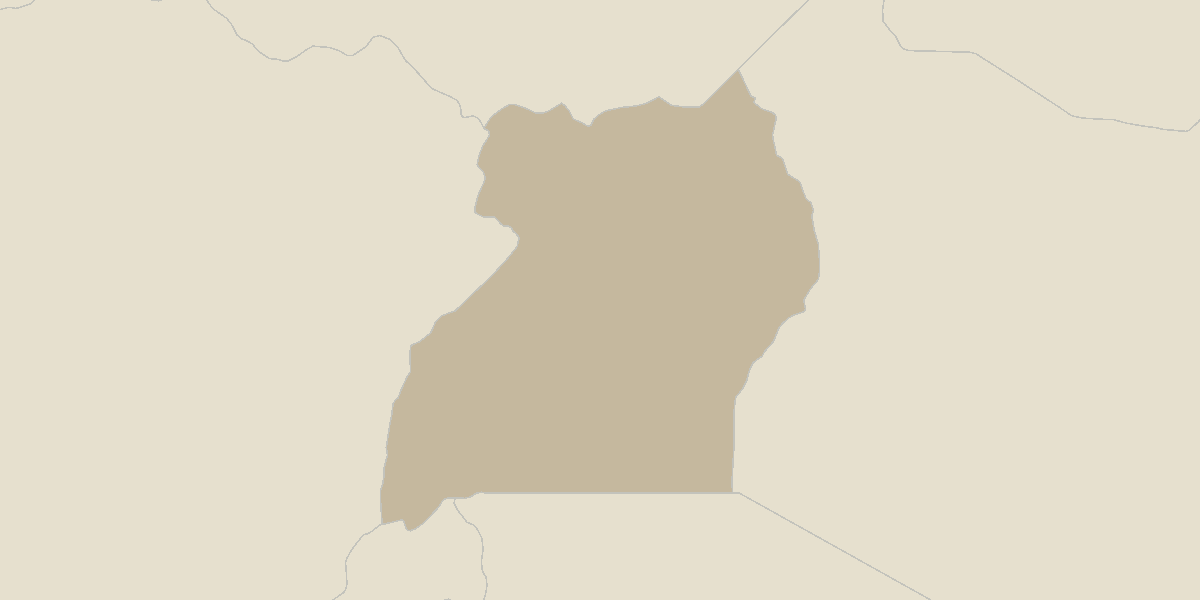
Help us to adapt a Travel Health Resource for UK Travellers

Take part in a study that aims to help UK travellers make informed choices about Japanese encephalitis (JE) vaccination.
Find out moreGet TravelHealthPro on your site

Integrate features of TravelHealthPro into your own website with our API and widget